I watched a TikTok creator go from 50K followers to a $2M ARR business in 18 months, and it wasn't because she was particularly charismatic or had a unique product. She just understood something that most brands are still figuring out: social media stopped being a marketing channel years ago. It became a *storefront*.
That realization hit me harder than it should have. We've been calling it "social media marketing" for a decade, slapping product links in Instagram bios and hoping for conversions. But somewhere around 2020, the dynamic shifted. People stopped leaving their feeds to shop. They started shopping *inside* their feeds.
Welcome to social commerce—and honestly, if you're not thinking about it as a core revenue channel rather than a promotional add-on, you're already behind.
The Numbers Tell a Different Story
Here's what gets me about the data: global social commerce sales hit $604 billion in 2024, with projections pushing toward $2 trillion by 2030. But more telling is the *velocity*. In Southeast Asia—Vietnam specifically—social commerce grew 67% year-over-year while traditional e-commerce grew 18%. That's not a trend. That's a tectonic shift.
On TikTok Shop in Vietnam, the average order value spiked 34% in Q4 2024 compared to Q1. Shopee Live sessions in Vietnam now generate more revenue per hour than their static product listings. Facebook and Instagram's Instagram Shop is quietly processing billions in transactions monthly. Yet most brands are still thinking about it like they're running a coupon promotion.
The gap between what's technically possible and what brands are actually doing is frankly enormous.
Why Social Became the Actual Storefront
Three reasons, and I think most people get the first one wrong:
First, it's not about accessibility. Yes, embedded checkout is convenient. But that's table stakes now, not a differentiator. What actually matters is something deeper: social commerce removed friction from the *discovery-to-purchase* journey. On Instagram, I can see a product, read comments from real people (not reviews I suspect are fake), and buy it without ever leaving the app. The psychology is different. You're impulse-buying in a social context, surrounded by social proof, following someone you trust.
Share this post
Related Posts
Need technology consulting?
The Idflow team is always ready to support your digital transformation journey.
Second, creators became the actual salesforce. And I don't mean influencers in the traditional sense. I mean micro-creators and everyday people with genuine audiences. A 15-year-old running a TikTok with 80K followers selling handmade jewelry is now a more effective sales channel than a $50K Google Ads campaign for many brands. Why? Because their audience trusts them. They're not performing a sale. They're recommending something they legitimately use. On Shopee Live in Vietnam, hosts selling everything from fashion to electronics are moving inventory at multiples of what their retail stores achieve. One host I know moves 300+ units in a 90-minute stream—for a fashion brand that previously did that volume in a week of storefront traffic.
Third, data and personalization finally got good enough. Facebook and TikTok's algorithms understand user intent now in ways that are honestly unsettling. They can predict what you want to buy before you know you want it. Social platforms are optimizing for conversion, not just engagement. The recommendation engine showing you that exact product in your feed isn't luck.
The Insider Moves Nobody Talks About
Most social commerce strategies I see are fundamentally weak because they treat it like an afterthought to their "real" sales channel.
The brands winning aren't just selling through social. They're building *communities* inside social platforms. There's a distinction: a brand Instagram account with 100K followers has an audience. But a brand that runs daily TikTok Lives, responds to every comment on their products, and turns customers into content creators has an *ecosystem*. That ecosystem compounds. On Lazada in Vietnam, sellers who engage with comments and reviews in real-time see 23% higher repeat purchase rates—and that spreads to their paid acquisition costs dropping 15-20% because the algorithm treats engaged accounts more favorably.
The second move: user-generated content is the only content that converts at scale anymore. Brands creating polished product videos are losing to creators who film themselves unboxing a product, point out a weird flaw, and then say it's still worth buying. That's not marketing. That's honest. Algorithms favor it, and customers trust it. The brands that've built workflows to systematically source, repurpose, and amplify customer content are the ones you see everywhere. Shein got this right way before anyone else. They're a logistics and UGC aggregation company wearing a fashion retailer costume.
Third: livestream commerce is underpriced by everyone outside Asia. In Vietnam, livestream commerce is now 18% of total e-commerce volume. In the West, it's still under 2%. The reasons are cultural (livestreaming is a trusted format in Asia) and operational (Western brands haven't built the infrastructure). But the difference in conversion rates is staggering. A TikTok Live selling session converts at 8-12%, while a traditional paid ad campaign to a landing page converts at 2-4%, *if* you're good. Same product. Different context. Different psychology.
The Friction Points Everyone Skips Over
Look, social commerce isn't a magic channel, and I'd be doing you a disservice if I didn't mention where things actually break down.
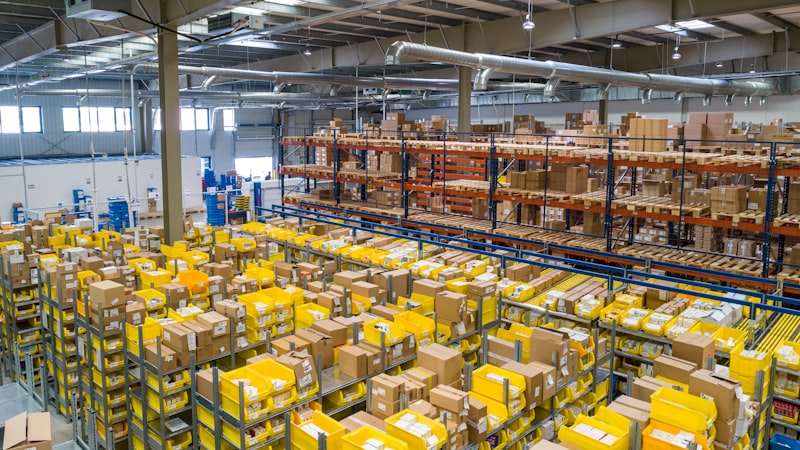
The most overlooked problem: inventory and logistics collapse under livestream demand. A creator goes viral, drives 500 orders in 2 hours, and suddenly your inventory system and fulfillment warehouse are screaming. I've seen brands do a beautiful TikTok campaign, crush the sales targets, and then spend 3 weeks dealing with refunds and angry customers because they oversold. The platform makes selling easy. Fulfilling at scale is its own beast.
Second: creator relations are hard and people underestimate it. Brands assume they can send products to creators and expect miracles. The creators worth partnering with have options. You need systems for outreach, genuine relationships, fair compensation, and creative freedom. If you're micromanaging their content, they'll either quit or phone it in, and their audience will notice immediately.
Third: attribution and profitability are actually complicated. A customer sees your product on TikTok, doesn't buy, browses your website, comes back through Instagram, adds to cart but doesn't check out, then buys the next week on a direct link. Which channel gets credit? Most platforms have their own attribution models (obviously biased toward their own ecosystem), and it's messy to figure out true ROI. You need data infrastructure to track this properly. Most brands don't have it.
What's Actually Working Right Now
Consolidation around a few platforms: TikTok Shop, Instagram Shop, and Facebook Commerce. In Vietnam specifically, Shopee Live and Lazada Live are generating more social commerce revenue than standalone social platforms. That concentration is worth noting because your strategy needs to be platform-specific, not generic.
Direct-to-creator partnerships where a creator has inventory stake. Risk is shared, incentives align, and they're motivated to actually sell rather than just create content.
First-party data collection through communities and email lists tied to social campaigns, reducing dependence on platform targeting and attribution.
The Bottom Line
Social commerce isn't the future. It's the present, and if you're thinking about your social channels as a secondary sales driver rather than a primary one, you're already playing from behind. The brands that win are treating their social presence like a full business: with operational rigor, real budgets, genuine creator relationships, and data infrastructure.
It's less glamorous than the TikTok aesthetic suggests. It's more work. But the economics are undeniable.
For businesses looking to build sophisticated social commerce infrastructure—managing multiple platforms, tracking cross-channel attribution, and scaling creator partnerships—platforms like Idflow Technology make handling the operational complexity actually feasible, turning what would otherwise be scattered tools into a cohesive system.
The money's there. The channels are proven. Now it's just execution.