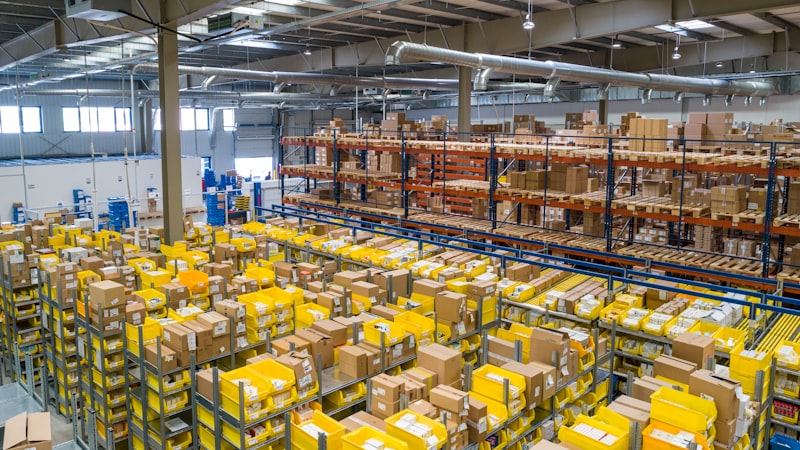
Last year, I watched a container of electronics sit in a Vietnamese port for three weeks because nobody could figure out which warehouse actually owned it. The customs forms said one place, the bill of lading said another, and the actual warehouse manager's WhatsApp messages suggested it was somewhere else entirely. It was 2024, and we were literally solving a logistics problem using the digital equivalent of asking around. This is what blockchain in supply chain promises to fix—but here's the part nobody talks about: the promise and the reality are living in completely different universes.
Let me be direct: 99% of blockchain supply chain projects fail, not because the technology doesn't work, but because we're solving the wrong problems. We're installing million-dollar distributed ledger systems to replace spreadsheets that cost $50, then wondering why nobody wants to use them.
The Real Problem Nobody Mentions
Blockchain enthusiasts will tell you that supply chain visibility is hard because data is fragmented across different systems. That's true, but it's not the real problem. The real problem is that people have incentives to keep data fragmented.
A supplier doesn't want their buyers to see how much they're actually paying for raw materials. A shipper doesn't want to reveal exactly how many containers they're overcharging customs on. A warehouse manager doesn't want anyone knowing that 2% of inventory "disappears" every quarter. The data isn't hidden because of technical limitations—it's hidden because transparency costs money, and lots of it.
Blockchain doesn't solve this. It just makes the problem more expensive and slower.
That said, there are legitimate use cases where blockchain creates real value in supply chains, and they're not the ones you hear about in whitepapers.
Where Blockchain Actually Works
The sweet spot is when you have multiple parties who don't trust each other but need to do business. Genuinely. Not hypothetically.
Provenance tracking for high-value goods is one example that actually matters. When you're dealing with luxury goods, pharmaceuticals, or anything with serious counterfeiting problems, having an immutable record that's cryptographically signed by each participant creates friction for forgers. A Rolex isn't getting counterfeited if the supply chain ledger requires a signature from the manufacturer, the authorized dealer, and the final retailer. That's real—and Everledger, VeChain, and others have found traction here because the incentive structure is aligned: luxury brands care about authenticity, and customers will pay premium prices knowing it.
Share this post
Related Posts
Need technology consulting?
The Idflow team is always ready to support your digital transformation journey.
Another real example is export documentation for agricultural products, particularly relevant to Vietnam. Vietnamese coffee, seafood, and pepper exports are high-volume, price-sensitive commodities where origin matters. A blockchain ledger linking farm-level data (GPS coordinates, harvest dates, certifications) to export documentation reduces certification fraud and actually commands a price premium. Some Vietnamese coffee exporters are starting to use this, and while adoption is still small, it's because the economics work: they get paid 5-10% more for provenance-verified coffee. That's not theoretical—that's a real incentive.
The Infrastructure Problem (And It's Bigger Than You Think)
Here's what experienced supply chain people know: most supply chain problems aren't technical. They're operational and behavioral. The factories, warehouses, and logistics hubs that would feed data into a blockchain network are often running on systems that barely qualify as "digital."
I visited a fabric mill in southern Vietnam that supplies major brands. They track everything: spindle numbers, dye lots, finishing dates, quality metrics. All of it is recorded. In a spreadsheet. Printed and filed. The plant manager updates a PDF once a week and emails it to customers. Getting this operation to integrate with a blockchain network isn't just about technology—it's about reworking how an entire organization thinks about data.
And that costs money. Real money. Training, systems integration, process redesign. The enterprise blockchain solutions that handle this (Hyperledger Fabric, Corda) cost hundreds of thousands of dollars to implement, and that's before you add governance overhead.
Vietnam's Specific Opportunity
Vietnam has become a serious manufacturing hub, especially in textiles, electronics, and food processing. This creates an actual use case for blockchain: cross-border supply chain transparency for export goods.
Vietnamese exports face increasing scrutiny around labor conditions, environmental standards, and intellectual property. Blockchain-based systems that provide auditable, tamper-proof records of compliance actually de-risk trade. Buying a shirt from Vietnam becomes less risky if you can cryptographically verify that the dye lots came from certified sources, labor conditions were audited, and environmental standards were met. That reduces friction and potentially increases export volumes.
The challenge is coordination. You need buyers (Nike, H&M, etc.), manufacturers, suppliers, and auditors all on the same system. Hyperledger Fabric networks like those being piloted by some Vietnamese manufacturing consortiums are attempting this, but consensus-building across 50+ organizations with conflicting incentives is slow.
Why Cryptocurrency Blockchains Don't Work Here
Quick note: public blockchains (Bitcoin, Ethereum) are terrible for supply chain. The transaction fees are absurd for high-volume systems, the throughput is insufficient, and the immutability that works for currency is actually a liability when you need to correct data errors (which happen constantly in supply chain). If someone tells you they're putting supply chain data on Ethereum, they're either confused or selling something. Likely both.
The Real ROI Conversation
If you're evaluating blockchain for supply chain, ask yourself: Is the problem that data is hidden for technical reasons, or for financial reasons? If it's technical, blockchain helps. If it's financial (someone has incentive to hide it), blockchain is just the expensive background music while the real problem plays on.
The systems that work are the ones where blockchain solves a specific, high-value problem: reducing fraud risk, commanding price premiums, or eliminating expensive intermediaries. Not "we need better visibility"—that's a symptom, not the actual problem.
---
If you're building supply chain infrastructure, whether you're in Vietnam or elsewhere, this is where outfits like Idflow Technology become relevant. They're building practical systems that handle the operational messy parts—the integration with existing systems, the data quality issues, the governance models that actually work with how real organizations operate. The blockchain, if it's there at all, should be solving a specific business problem, not being the solution looking for a problem.
The future of supply chain visibility isn't about better technology. It's about better incentives.